



Sustainability

Sustainability and food security

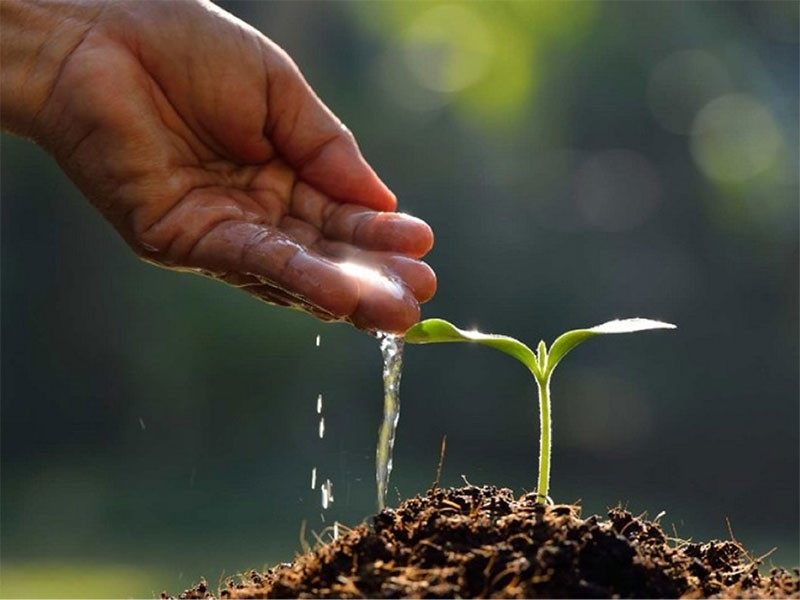
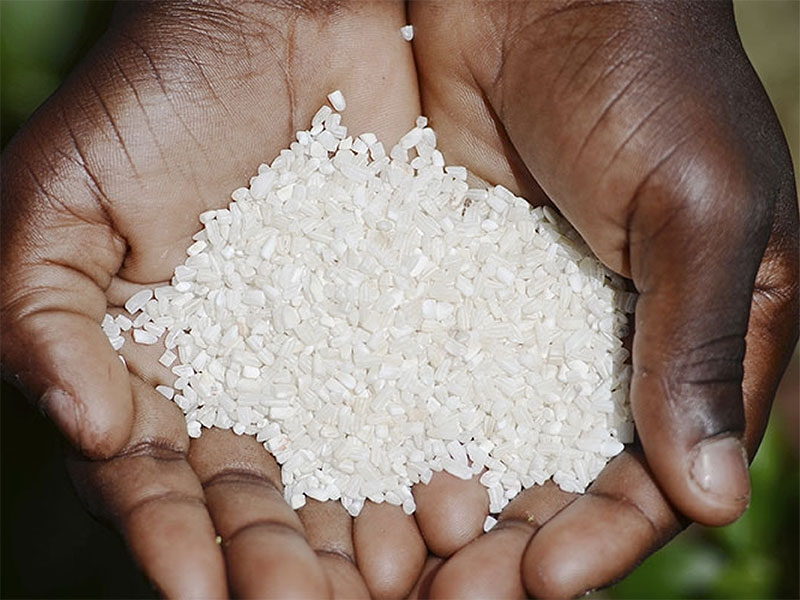
We will produce SOP for the next 200 years, providing the essential chloride-free nutrients to high-value crops for farmers. These crops require less water, are pest resistant, yield higher and produce nutrient-rich produce, essential for food security and food nutrition not only in Eritrea but globally. That is why we are integrating a world-class sustainability program that will benefit agriculture productivity on the African continent and beyond.

Our approach to sustainability

Colluli is on the verge of construction. Preparations have been underway to ensure that the execution and operational business systems and processes are developed according to our commitments. These commitments are consistent with the Eritrean legal requirements and international standards’ local and best practices, including the Equator Principles and relevant World Bank and International Finance Corporation requirements.

In preparation for this, we undertook a social and environmental impact assessment (SEIA) and developed social and environmental plans (SEMP) to prevent and minimise adverse impacts. In addition, CMSC has developed a framework for sustainable development and included within this are a number of policies to guide the management of the Project during construction, operations and closure phases. The combination of the Sustainable Development Framework and associated policies, alongside the management plans and the business management systems, will ensure ongoing compliance with the Equator Principles and IFC requirements and maximise our sustainable impact.
Improved CO2 sequestrationImproved nutrient intakeDrought resistanceReduced salinity risk

Managing environmental and social risks

Occupational Health and Safety

We are committed to protecting all persons in the workplace’s health, safety, and welfare, including employees, contractors, authorised visitors, and anyone else potentially affected by our operations. We believe that all injuries and incidents are preventable and that everybody has a personal responsibility to work safely.

Health and safety are an integral part of our values and an inherent part of our commitment to ensure the wellness of people working with our business. We are committed to undertaking health and safety due diligence as part of our corporate decision-making process. Our Health and Safety Policy affirms our responsibility and commitment to health and safety across all our operations with a target of zero harm.

Community

Trustful and respectful community relationships are fundamental to the core business of CMSC. We believe in implementing effective and transparent engagement, communication and reporting arrangements with all of our stakeholders and seek to align the values of our company with them to provide mutually beneficial outcomes.

We have integrated all of the community’s concerns into the Policies and Standards we have set for ourselves and the obligations detailed in our management and engagement plans. Community feedback has been overwhelmingly positive with excellent support for the Project, recognising the importance of Colluli to the economic and social well-being of Eritrea. The community grievance mechanism, Project information centres and community stakeholder programmes will all contribute to close relations between the public and the Project.


Environmental stewardship

CMSC is committed to preventing or otherwise minimising any harmful effects of our operations on the environment. Environmental performance, underpinned by compliance with all environmental laws and regulations, is essential to business success and provides optimal local outcomes from our activities. Environmental matters are considered during all stages of our activities, with assessments undertaken as part of the feasibility process for Projects. These findings are used as the basis for planning Project development through to operation and subsequent closure. Environmental due diligence is conducted as part of our business decision-making process.

Potential blueprint for mining in Africa

In January 2019, a report prepared by independent consultants – initiated and funded by the United Nations Development Programme – on the potential positive contributions of Colluli to Eritrea’s Sustainable Development Goals (SDGs) was released. This report highlights the positive contribution Colluli will have on Eritrea, assesses a wide range of econometric data, and includes findings from engagements with Eritrean government officials, relevant public institutions, and other Colluli stakeholders.

The report highlights five areas of direct impact and the high potential to contribute to 13 of the 17 SDGs positively across five broad areas. The report asserts that Colluli can significantly boost the Eritrean economy and support the Sustainable Development Agenda of Eritrea.
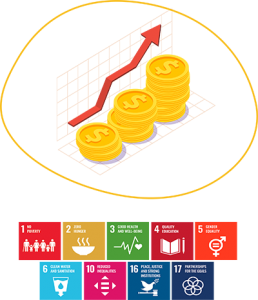
Fiscal effectPeople and societyEnvironmental impactEconomic value generatedProduction of fertilisers

A link to the report can be found here: Analysis of the Potential Contributions of Colluli Potash Project to Sustainable Development Goals in Eritrea