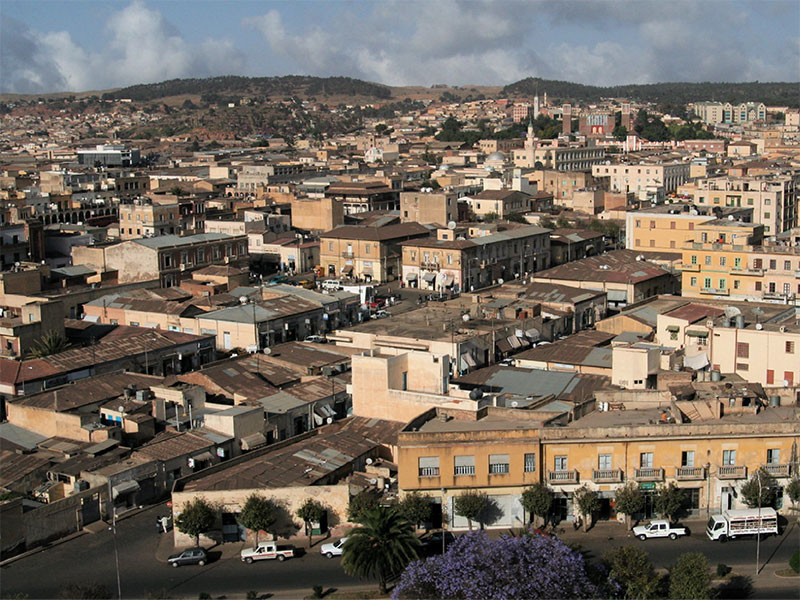
Eritrea is strategically located along the Red Sea in the Horn of Africa, bordered by Sudan, Ethiopia and Djibouti. It covers 122,000 square kilometres and is home to an estimated 3.5 million people (National Statistics Office (NSO) estimate). Eritrea is divided into six administrative regions called zobas, which vary in size, population and socioeconomic conditions. After protracted liberation war, Eritrea regained self-rule in 1991 and complete independence in 1993. Courage, perseverance, self-reliance, and decisiveness are the main traits that define Eritreans.
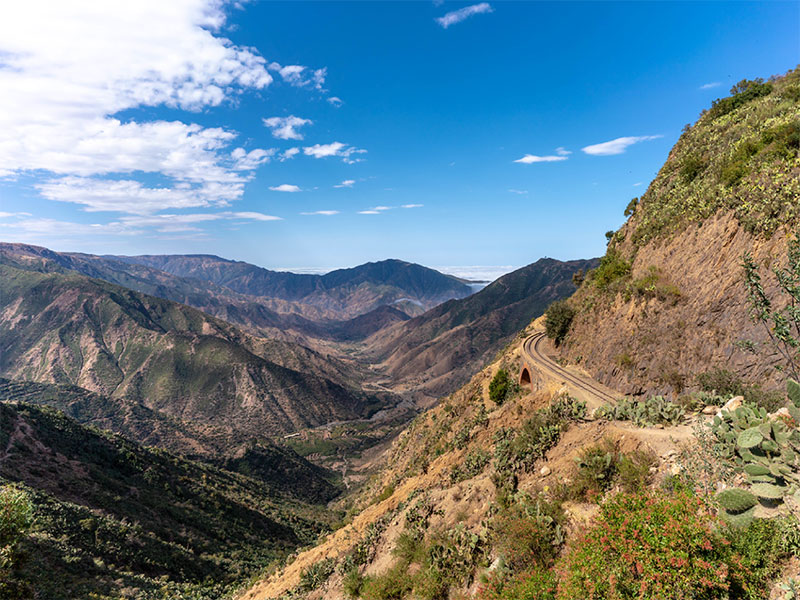
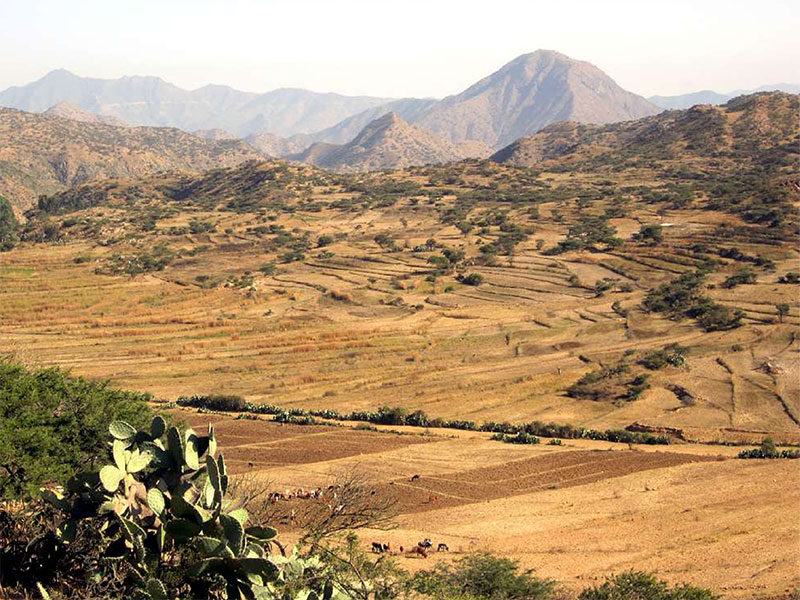
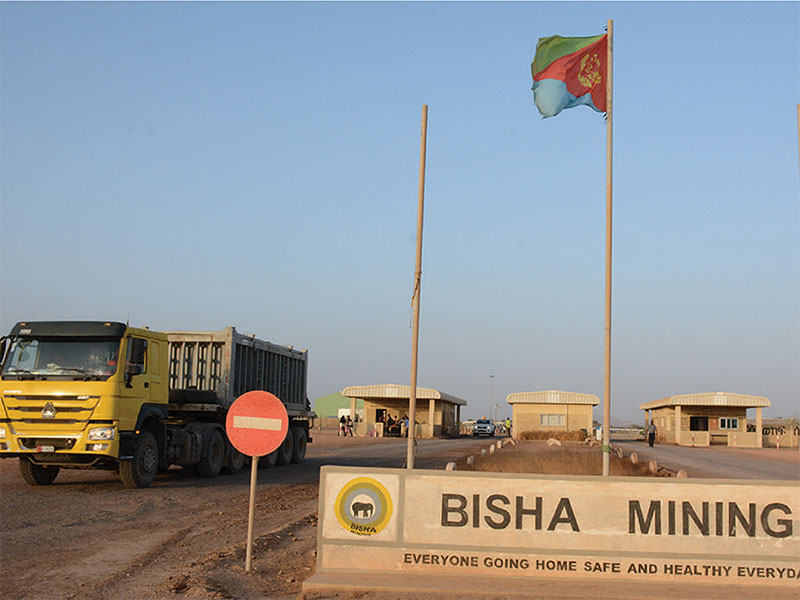
The country’s landscape is divided into three distinct ecological regions. The Eritrean highlands are the northern extension of the Ethiopian Plateau, running north to south through the country’s centre, the hot and dry western lowlands, and the coastal plain. The Eritrean economy is based mainly on subsistence agriculture and pastoralism. About 80 per cent of the country’s population live in rural areas and rely on crop and rain-fed agriculture, livestock and fisheries for employment and income. However, the government has actively developed the mining sector, which remains the primary source of direct foreign investments.
In mid-2018, Eritrea experienced a turnaround in its external environment. Ethiopia signed a peace treaty with Eritrea in July 2018. Eritrea began to normalize relations with neighbouring countries. In November 2018, the UN Security Council lifted its sanctions on Eritrea. Eritrea and Ethiopia have recently agreed on a series of ground-breaking initiatives to bring both countries together in dialogue and economic interaction. That will facilitate trading between the two countries and assist in both countries’ economic development.
3.6 m(1) Population
73.8(1) Literacy rate
1490(1) GNI per capita
0.420(1) Human Dev. Index
5.0(2) GDP growth (%) 2021 (forecast)
588 US$(2) GDP per capita
2.09 bn US$(2) GDP
101,000 sq km(2) Area
Source: (1) UNDP, (2) World Bank
Proven mining jurisdiction
The Eritrean government is pragmatic in its approach to the development of the Eritrean mining industry. The Eritrean Mining Act is based on the West Australian Mining Act. It has been upheld fairly and consistently by the government, resulting in more Mine development in Eritrea than any other country in the region over the past 20 years. The Eritrean people are friendly, patriotic, and committed. The government is actively promoting growth in the mining industry, alongside developing a free trade zone at Massawa Port to encourage non-mining development and trade. The government takes an active ownership stake in the mines both as an investor and at the board level to ensure mining aligns with responsible, sustainable development priorities.
The CMSC JV partner, Danakali Limited, has been operating in Eritrea since 2009 and has found the country to be safe, stable and development focused with no evidence of corruption. Over that period, the Eritrean authorities proved to be transparent and stable partners pursuing mining-friendly policies coupled with a predictable tax regime. Eritrea has been a safe and stable jurisdiction. Danakali has never required any security measures, nor do any other companies operating in the jurisdiction. The Colluli project promises to be a major contributor to the Eritrean economy, delivering substantial tax income, becoming one of the country’s largest exporters, assisting with building its transport infrastructure and creating significant employment and skills development.
Play Video
Danakil Desert
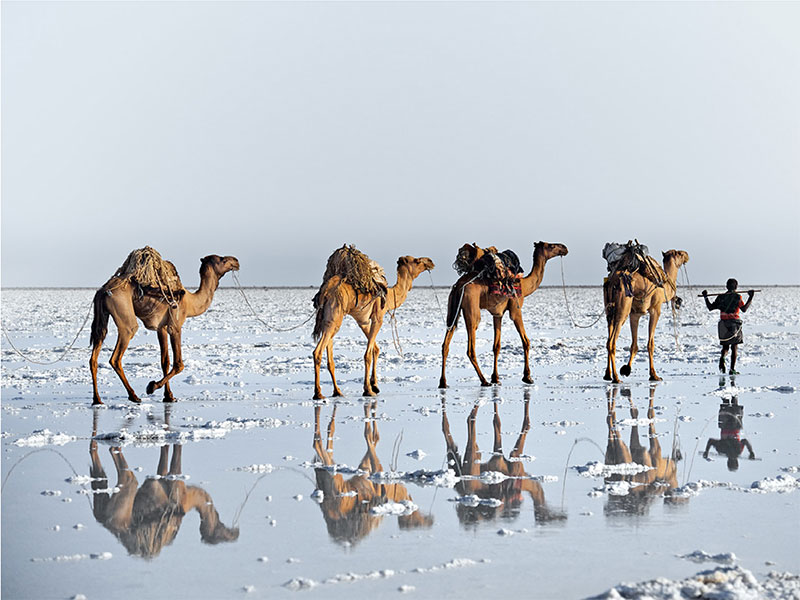
The Colluli project is situated in the Danakil Depression, a region in the Horn of Africa that straddles the Eritrean-Ethiopian border. It is one of the hottest and lowest places on earth, about 330ft (100m) below sea level & with the temperature soaring 50 °C (122 °F). It receives about less than an inch of rainfall every year and is amongst the driest place on earth. The geology of the place is characterized by volcanic activity, various climate cycles, and discontinuous erosions. It is undoubtedly one of the most isolated and least-studied places on earth.
Despite a seemingly inhospitable environment, the Danakil is the home for the Afar people. The local population around Colluli is very sparse – the nearest settlement is over 30km away. The region has no natural resources to encourage and support in-migration, reducing the risk of local increases in population and resulting social tension. The indigenous Afar community in Eritrea overwhelmingly favours the Colluli development, which is seen as a future employer of choice. Our full intention is to, where possible, employ locally. The Colluli promises to be a significant employer for the region, with circa 500 direct employees immediately after operations begin.
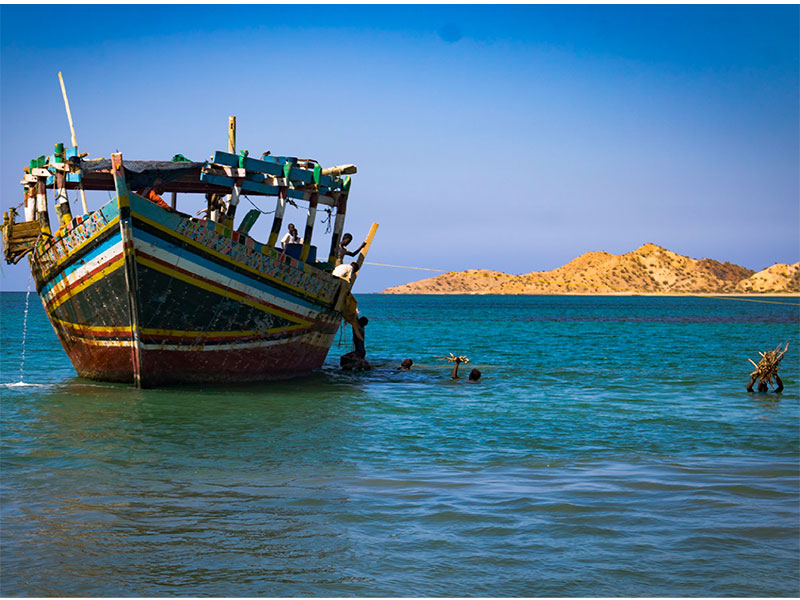
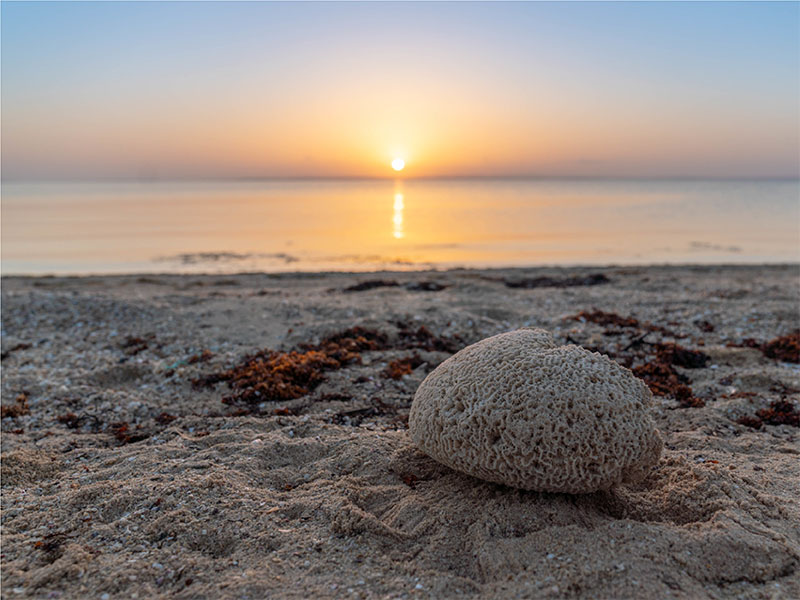
Besides the potash-rich salts of the Danakil depression, the Colluli production will also rely on Red Sea waters. One thousand four hundred known fish species live in Eritrea’s waters, and 17% of those fishes are found nowhere else (EEJ, p.5). There are also 250 known coral species, of which 20% of those are found only in Eritrea’s Red Sea waters. Eritrea’s territorial waters consist of 60,000km², which would make it about half the size of Eritrea’s total landmass (. With a combined size (mainland and the islands) of 2234km² of coastline, Eritrea has the 6th longest coastline in Africa.
Recently finalized test work has proven that filtered seawater can be used at Colluli to produce SOP at the requisite recoveries and productions rates. That way, we will be able to contribute to economic development while preserving the maritime environment positively. In addition, using filtered seawater in the process plant will reduce our environmental impact, protect the Red Sea marine life and preserve the visual appeal of the coastline.