







About the SOP
Commodity for the future
As the global population grows, arable land per capita decreases, and the shifting dietary preferences of a more affluent population increase demand for higher-value crops. Crop production must intensify, and yields must increase to meet growing food requirements. SOP demand has the potential to grow significantly and provide the major crop nutrients in high growth areas. The establishment of Colluli as a prominent centre of carbon-neutral production of premium fertilisers and other agricultural commodities could increase Eritrea’s resilience to a range of environmental and food security challenges.
Premium fertiliser
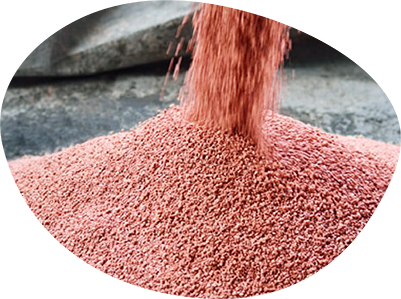
Commonly, potash refers to Potassium Chloride or Muriate of Potash (MOP). However, several other potash variants exist with premium potash types containing micronutrients and macronutrients such as potassium sulphate, potassium magnesium sulphate and potassium nitrate. For investors interested in the global potash fertilisers market, it’s essential to understand the difference between SOP and MOP.
SOP
7 Mt per annum
US$ 450-600/t
High value, chloride sensitive or
intolerant
MOP
67 Mt per annum
US$ 200-300/t
Low value, chloride tolerant
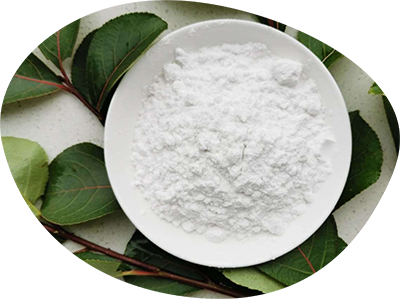
SOP is considered a premium-quality potash fertiliser. Using SOP improves quality and crop yields and makes plants more resilient to drought, insects, frost and even various diseases. Some studies have found SOP can improve the look and taste of foods and boost a plant’s ability to absorb essential nutrients. The outstanding feature of SOP is the ideal combination of the two essential nutrients, potassium and sulphur, forming a highly concentrated fertiliser. Its properties and beneficial effects in soil and plants make sulphate of potash the world’s most crucial specialty potash fertiliser.
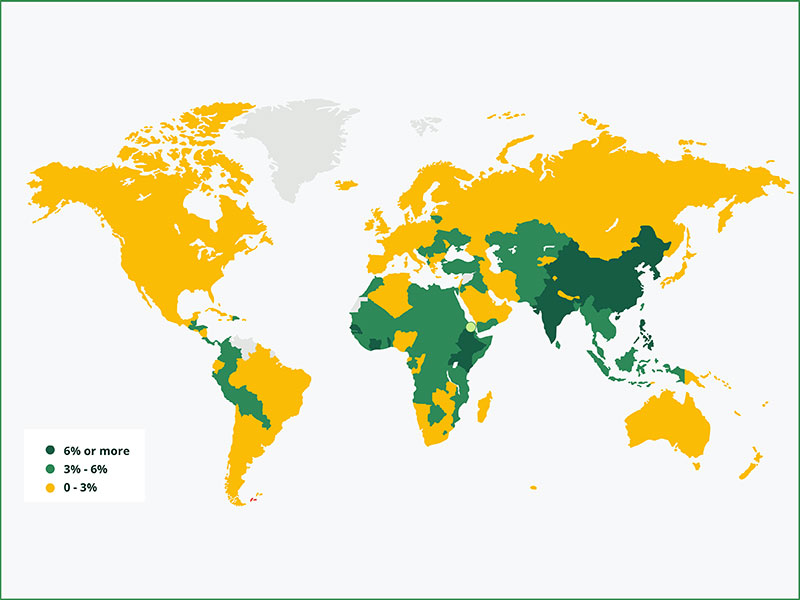
SOP is currently underapplied in the areas expecting the highest rates of population growth, the majority of which are proximate to Colluli.
Potassium (K) is too frequently overlooked in African agriculture. Soil nutrient depletion plagues sub-Saharan African crop production due to low native fertility and inadequate fertiliser application. Negative K balances resulting from excessive nutrient extraction mean that potassium is a critical limiting factor for food production on the continent. The most considerable K losses of 20–50 kg per ha annually occur in East Africa’s highlands and sub-humid areas. As Africa’s most advanced SOP project, the Colluli could provide a significant source of accessible potassium fertilisers needed to reverse the region’s negative soil nutrition trends.
Potentially world's first zero-carbon SOP
Agriculture is unique in reducing its emissions, increasing carbon removals from the atmosphere, and contributing to emission reductions in other sectors by substituting carbon-intensive materials and energy. The sector is increasingly seen as an essential means to reach net-zero, whether through biomass production to replace fossil products or freeing up land to build carbon sinks. Moving towards the production of fertilisers with a low carbon footprint supports such a transition.
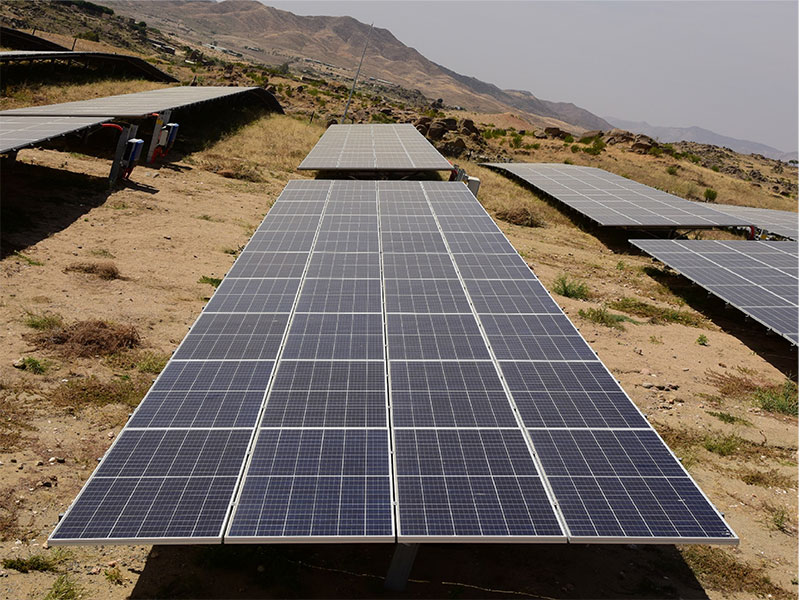
The early assessment work on the solar and wind energy potential of Colluli has been completed, and this has confirmed that both of these renewable energy sources can be incorporated into the future generation of power for the Project. CMSC continues to evaluate its renewable energy options of solar, wind and geothermal energy, intending to become a world-first zero-carbon SOP producer.
Solar
Solar is already becoming an essential part of energy generation in Eritrea. A particularly successful project is the mini-grids in rural communities Areza and Maidma, which will use solar-powered batteries to supply clean, affordable energy to 40,000 people and businesses
Geothermal
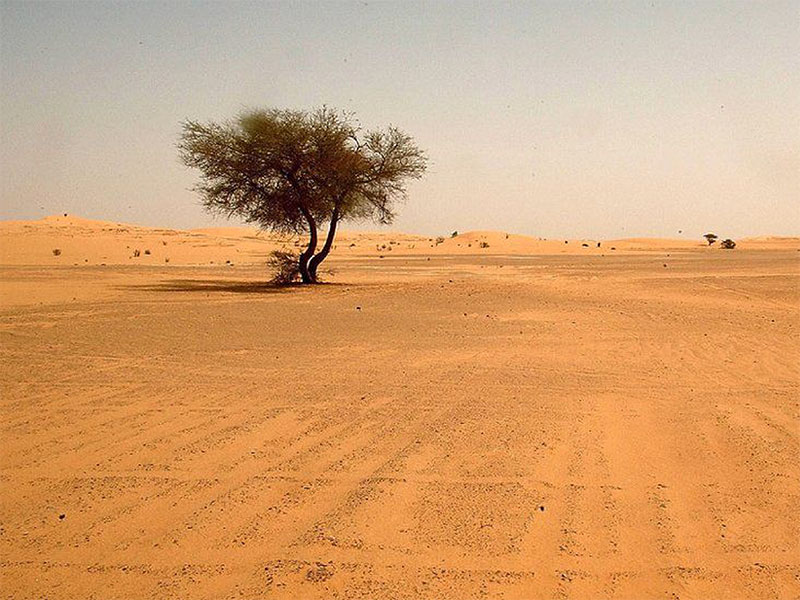
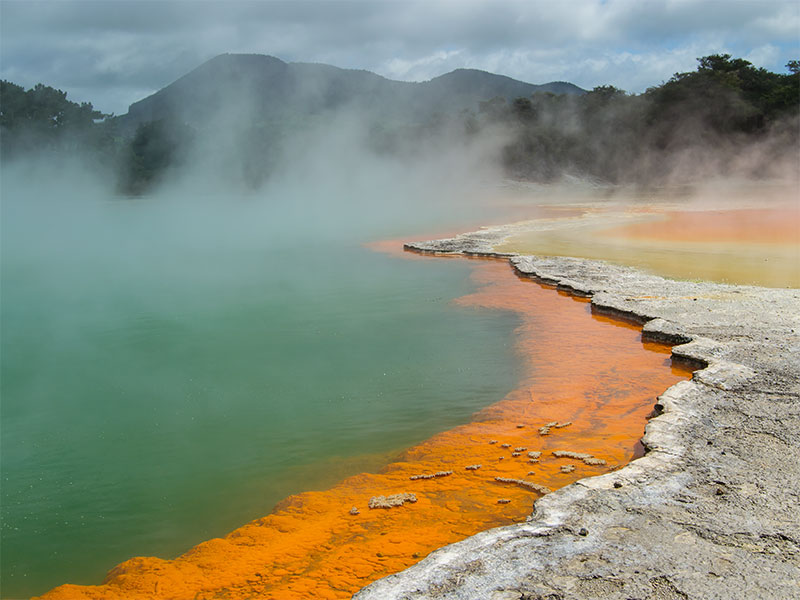
Eritrea lies within the well-known geothermal East African Rift System. Early-stage geologic surveys indicate a high potential for developing a geothermal plant for power supply.
Wind
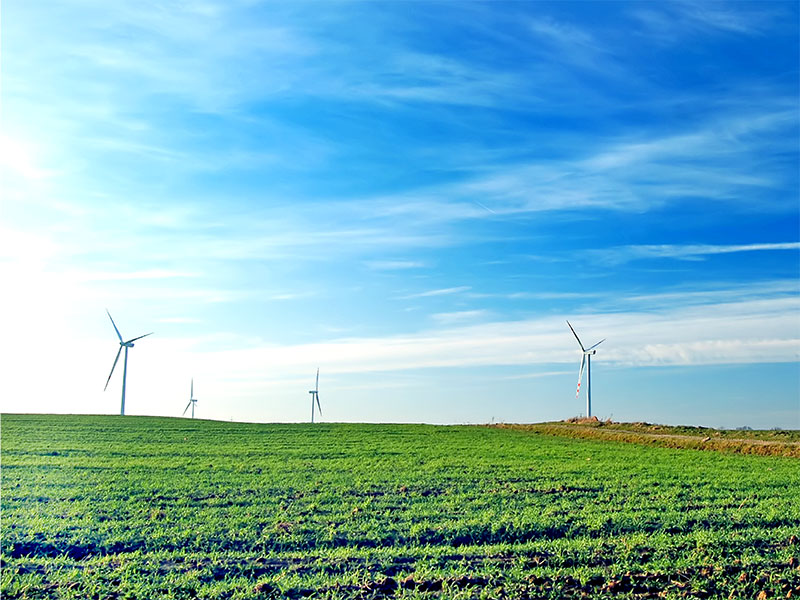
Eritrea is among those countries in sub-Saharan Africa that are piloting wind energy applications. As part of this pilot project, the 750kw wind farm erected at the port of Assab is generating clean, renewable energy for the local population, covering about 15-20 per cent of the annual electricity demand of the city
Ensuring Food security
Under optimistic lower-end projections of temperature rise, climate change may reduce crop yields by 10 to 20 per cent, while the increased incidence of droughts and floods may lead to a sharp increase in prices of some of the leading food crops by the 2050s. Towards 2050, rising population and incomes are expected to call for 70 per cent more food production globally and up to 100 per cent more in developing countries. Yet, the distribution of land and water resources does not favour those countries that need to produce more in the future: the average cultivated land per capita in low-income countries is less than half that of high-income countries.
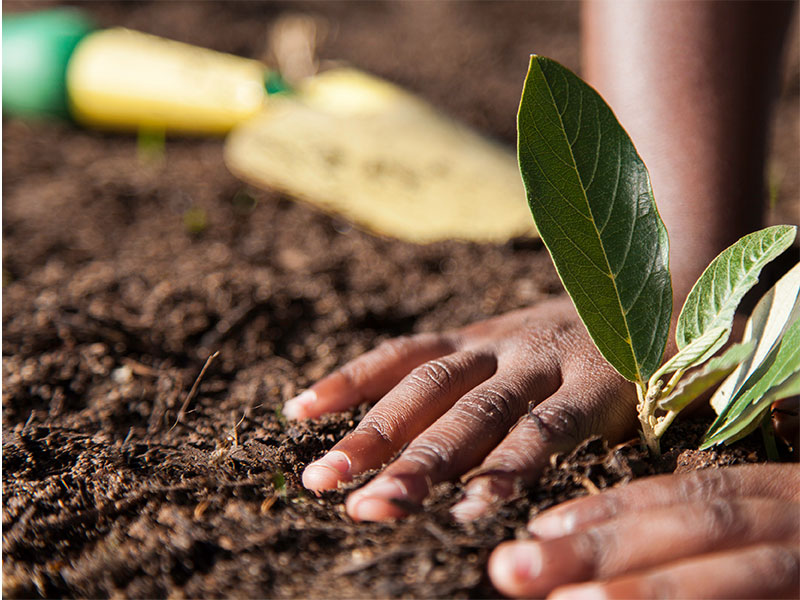
The most considerable contribution to increasing the agricultural output will most likely imply production intensification on existing agricultural land. That will require the widespread adoption of sustainable land management practices, including climate-smart fertilisers such as SOP. Besides allowing more efficient water use, the SOP also enables farmers to increase their yield while increasing plant resilience from various abiotic stresses such as soil salinity, droughts, high and low temperatures, and pests.
![]() | ![]() | ![]() | ![]() | ![]() | ![]() | ![]() | ![]() |
| Improved CO2 sequestration | Improved nutrient intake | Drought resistance | Reduced salinity risk | Flood resistance | Improved water intake | Pest | Improved photosynthesis |
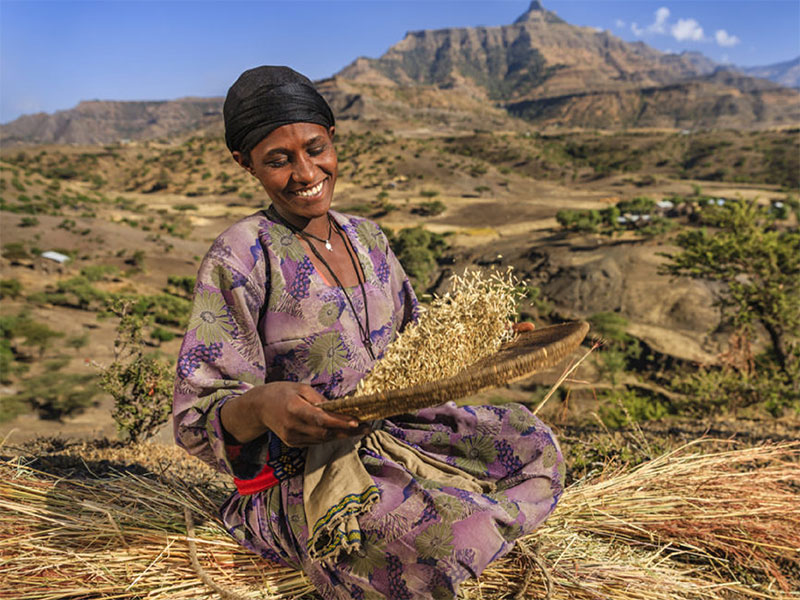
The Government of Eritrea considers food security a top national priority. It is estimated that around 1.5 million people directly work in the agriculture sector in Eritrea, representing around 60% of the country’s total labour force. Considering fertiliser consumption is a fundamental pillar to increase productivity in Agriculture, and Agriculture is the most important economic activity in Eritrea, the future operations of Colluli could have a significant effect on food security
Opening development opportunities
Colluli’s operational design has considered creating 600 new employment positions (employees). However, because of its investments and operational expenditure, critical economic linkages are expected with the rest of the economy that will connect Colluli with at least 10,000 people (labour force) of other sectors.
Colluli can have an impact on poverty at local, regional and national scales.
Procurement and employment of local persons in construction and operations | CSR and social impact investments (such as through water supply, electricity, transport) that will benefit the local communities | Further downstream employment was created at the port of Massawa and transport-related jobs in logistics and also along the road corridor |
The expected economic value generated by Colluli through exports, impacts on GDP, GDP per capita, local procurement, investment and industrialisation will probably produce a better scenario for sustainable development. Because of that, it is also expected that Colluli could make a significant contribution to boosting rural incomes and poverty reduction.